A Book Review Blog
These book reviews are a mainly a way to hold me accountable to reading more. In the spirit of not showing bias, none of the books I post here will be ones from our publishing house.
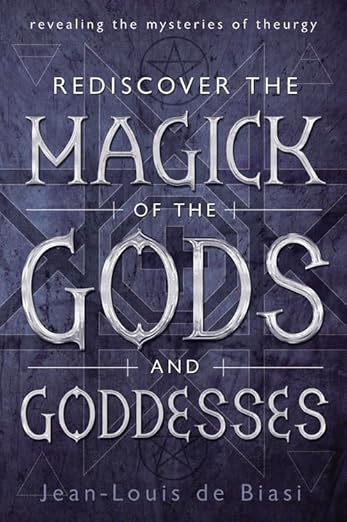
The philosophical roots of much of Wicca and Paganism, as well as Western ceremonial magick, come from ancient Egypt. In this thoroughly researched book, the Grand Master of the Aurum Solis shares the history and evolution of the theurgic tradition―including the origins of Hermeticism in Egypt and the Mediterranean world, the birthplace of the theurgic tradition―and how-to instructions for discovering the presence of the divine in the world. Read more here.
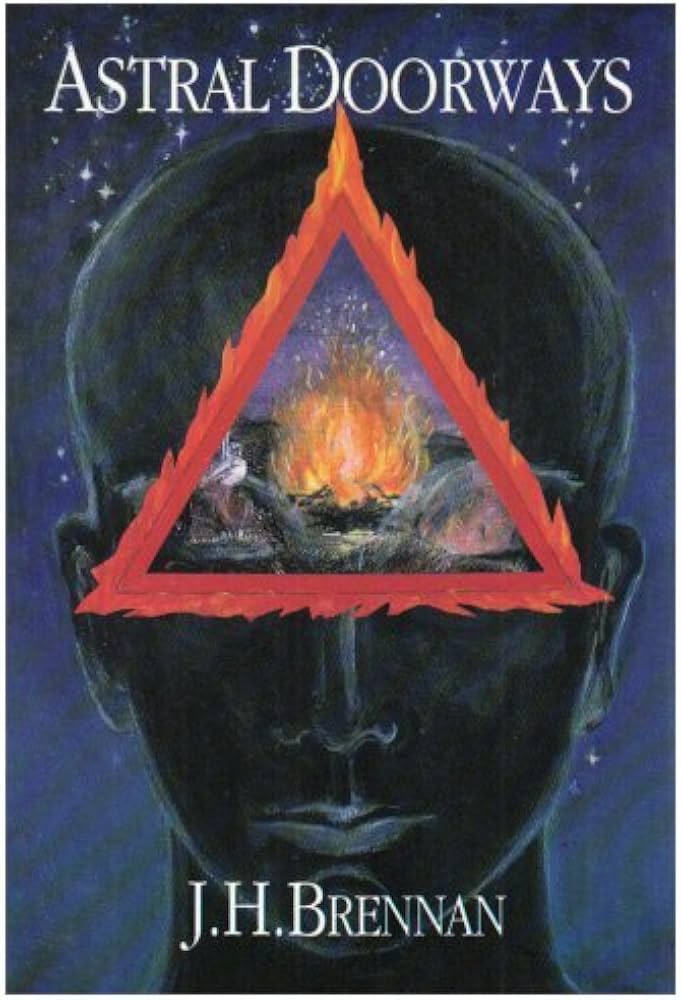
Within this book’s pages, J.H. Brennan acts as your seasoned guide, unveiling the secrets of separating your consciousness from your physical form. Learn to navigate the astral plane, a realm brimming with vibrant landscapes and boundless possibilities. Brennan equips you with powerful techniques, honed over years of exploration, to unlock this hidden doorway within yourself. Imagine drifting through breathtaking vistas, encountering otherworldly beings, and gaining profound insights into the nature of reality. Astral Doorways is not just a book, it’s an invitation to embark on a thrilling adventure unlike any other. Are you ready to awaken your inner explorer and unlock the secrets of the astral plane? Read more here.
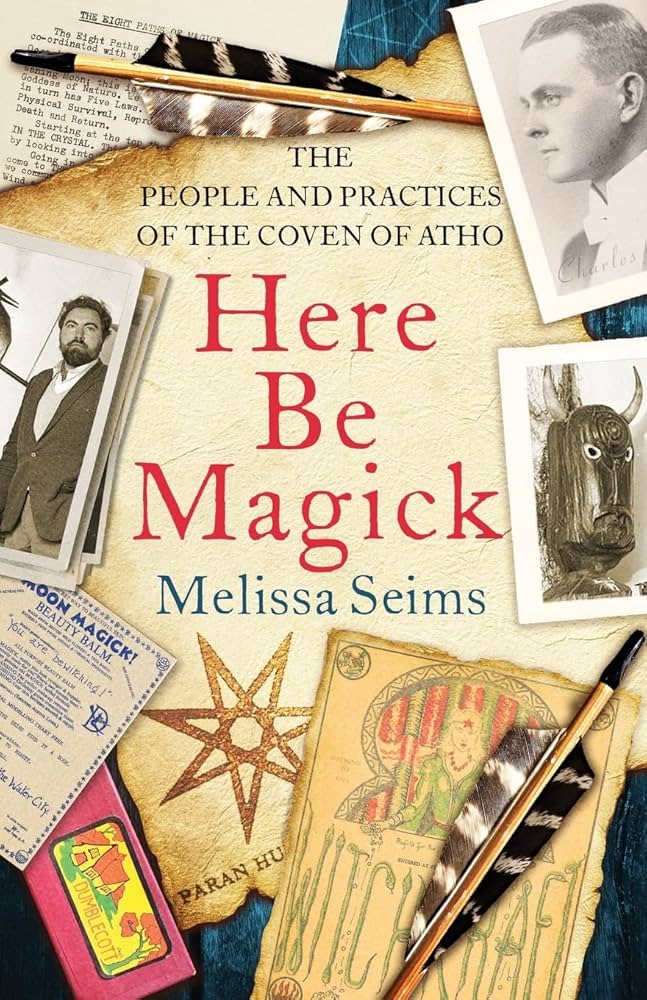
This compelling account of eccentricity and Witchcraft in the 1950s and 60s revolves around two principal characters: ‘Rex Nemorensis’ (Charles Cardell), son of an internationally famous Victorian stage magician, and Ray Howard, owner of the Head of Atho, a representation of the Horned God of the Witches reputedly over 2000-years-old. From the luxury of his country estate, Cardell trod his own unique path of modern Witchcraft, the reality of which was e ectively put on trial in a High Court libel case brought against a major newspaper, following an article by two reporters who had hidden near Charles’ sacred Grove….Read more here.
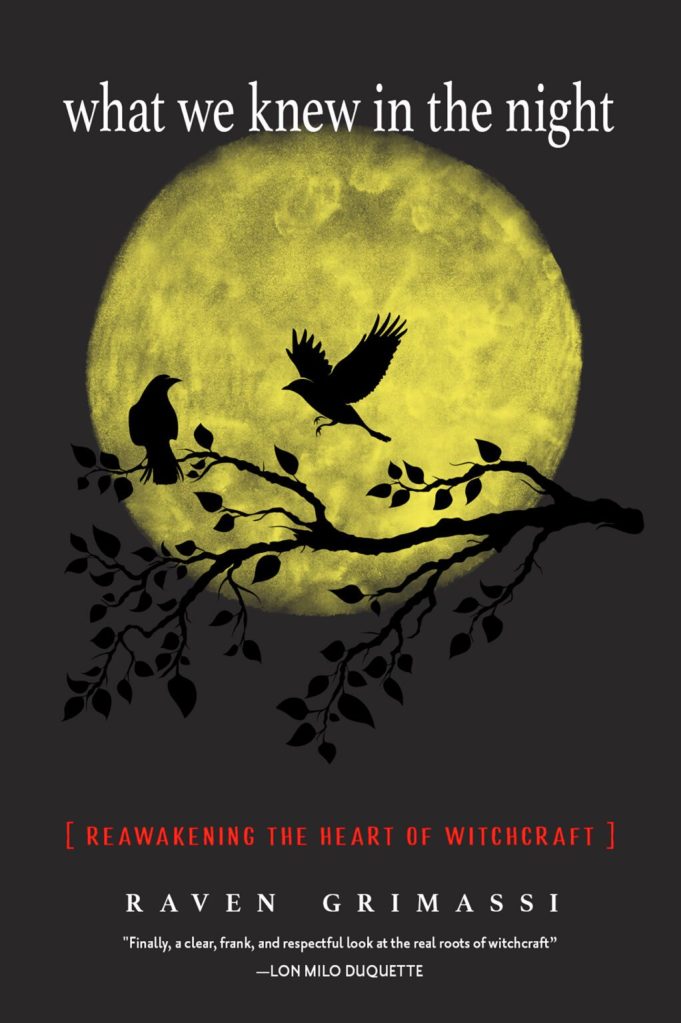
Raven Grimassi is among the pioneering authors of the modern witchcraft renaissance. In What We Knew in the Night, he presents a cohesive and complete system of witchcraft based on traditional sources. The author’s premise is that, beginning in the 1980s, with the rise of modern metaphysical publishing, authors began presenting very personal witchcraft practices. In the process, traditional and formerly well-established practices fell into obscurity, which potentially lead to confusion. Read more here.
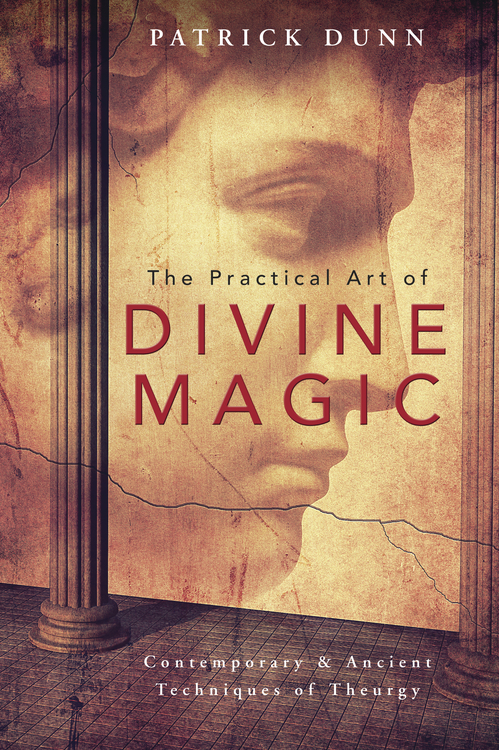
The ancient world of Egypt, Greece, and Rome was home to a set of magical and spiritual technologies, called theurgy, that unite the practice of magic with the aims of religion. Theurgy, or “godwork,” is the art of creating a stronger bond between the theurgist and his or her deities. The results of this stronger bond were imminently practical: stronger magic, more meaningful existence, and a better life. With the fall of Rome, these techniques faded into obscurity, and many of them were lost forever. Read more here.
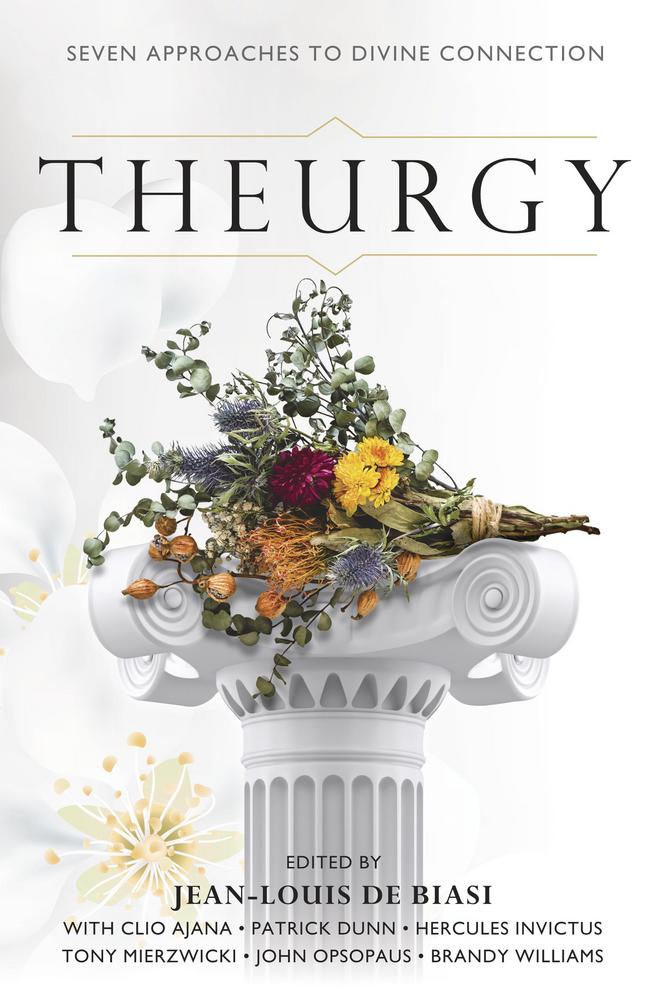
This book turned up for me at just the right time. I’ve recently begun an intensive and immersive exploration of the Goddess of the Witches and have been working to align my personal practice more closely with her, and in pursuing this, the themes of magical theurgy were bound to pop up at one point or another. Theurgy: Seven Approaches to Divine Connectionis actually an anthology bringing together several voices from actual Theurgists, each of who offers their own unique take on how to incorporate theuristic (is that a word?) techniques into one’s magical practice. Read more here.
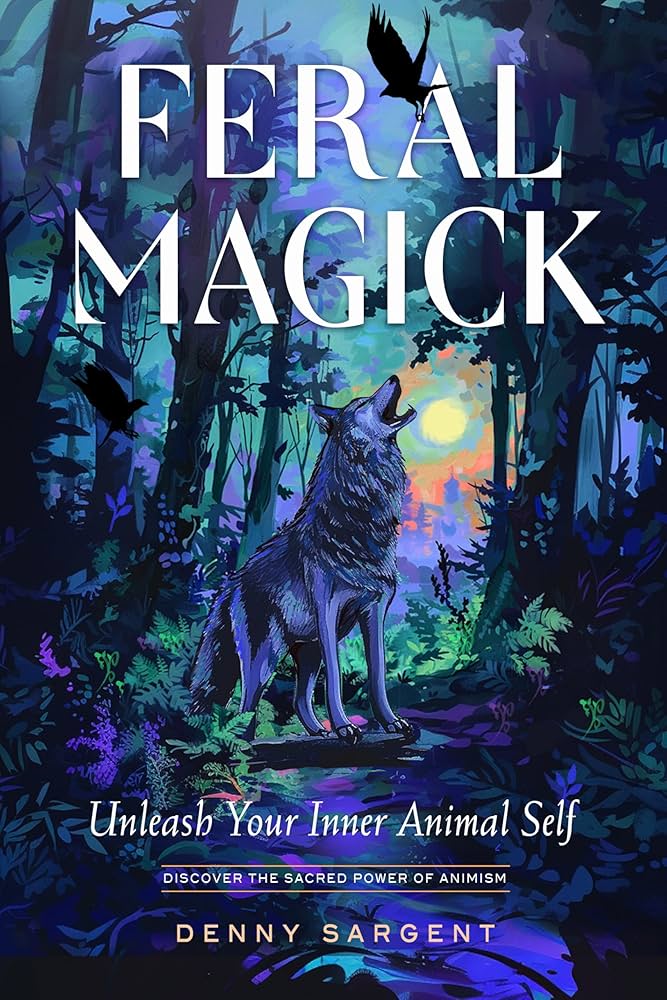
Rewild yourself. Return to an ancient, deeper way of being. Reconnect with the primordial, animistic world of the spirits and the powers of nature that have been patiently waiting for you to return. Once you become open to this reality, the spirits of nature will welcome you, bond with you, and help you. In Feral Magick: Unleash Your Inner Animal Self, author Denny Sargent gives readers the tools they need to locate and work with their inner animal as well as with sacred deities and personal animal spirits. Through spells, rituals, and meditations, as well as shapeshifting and trance states, readers will learn how to tap into their natural instinct, intuition, and insight. Read more here.
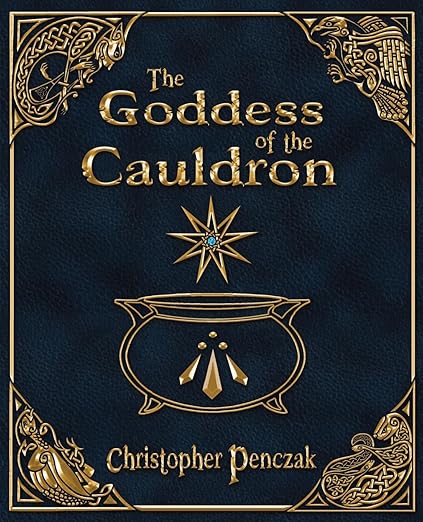
Explore the mysteries and magick of the cauldron and the goddesses and gods associated with this sacred tool. Looking at some of the oldest forms of the Cauldron- from Arthurian lore and the progression of the Holy Grail to the vessels of alchemists- work with the powers of the sacred cauldron in sequence, using the myth of transformation and rebirth from the goddess Cerridwen and her bardic son Taliesin as a system of initiatory magick. The mystery of the Mother and child, of life, death, and rebirth, is at the heart of these teachings. Read more here.
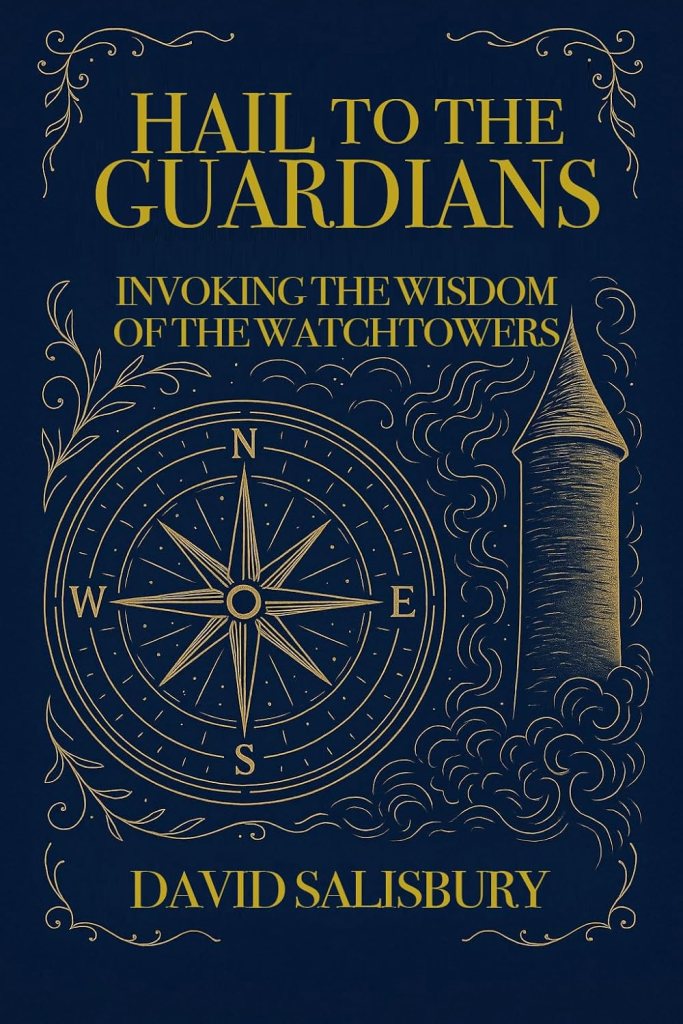
David Salisbury’s Hail to the Guardians: Invoking the Wisdom of the Watchtowers is the first and only work devoted entirely to the guardians of the watchtowers, and it is a genuinely refreshing read. Most occult texts allude to the watchtowers, often confining them to a brief paragraph or two within discussions of circle casting. By contrast, Salisbury offers an entire volume dedicated to engaging with and exploring these forces in a practical, hands-on manner, something that feels long overdue for new and experienced Witches alike. Read more here.

As an avid and enthusiastic Witch, my usual reading list tends to focus primarily on books related to the magical arts, witchcraft, paganism, and other similar esoteric and occult topics. Anyone who knows me knows that my shelves are packed full of books on spellwork, herbalism, old grimoires, and books written specifically on Witchcraft’s history, and for the most part I find comfort in these topics. Read more here.
 Blake Malliway